November 16, 2026
How Blocked Gutters Affect Homes in Hackettstown
By @knoxcqmv498

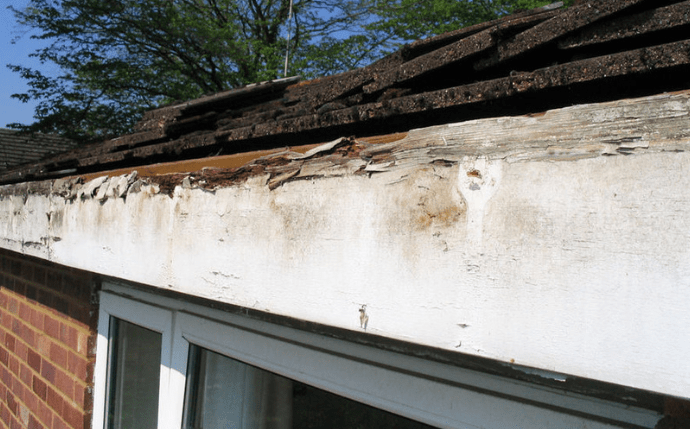
In Hackettstown, gutters do more work than many homeowners realize. They do not just catch rainwater and send it away from the roof. They protect siding, foundations, basements, landscaping, walkways, and even the trim around windows and doors. When they clog, the trouble rarely stays up at the roofline. It moves downward, outward, and inward, often in ways that are easy to miss until the repair bill gets uncomfortable.
That pattern shows up often in towns like Hackettstown, where homes deal with a little of everything. Spring brings heavy rain and seed pods. Summer storms dump water quickly. Fall loads gutters with leaves. Winter adds ice, freeze-thaw cycles, and the extra weight of packed debris. A gutter that looks only half full from the ground can still fail when it matters most, because water needs open space and clear downspouts to move fast.
Homeowners sometimes assume a clogged gutter is a minor maintenance issue, the kind of thing that can wait until next month. In practice, blocked gutters can turn a manageable chore into damage that affects multiple parts of the house at once. That is why regular inspection and timely Gutter Cleaning Hackettstown services matter more than many people think.
The first place problems show up is often not the gutter itself
A blocked gutter does not always announce itself dramatically. Sometimes there is no obvious waterfall pouring over the edge during a storm. Instead, the clues are subtle. Paint starts to peel near the roofline. A section of fascia looks dark and soft. Mulch keeps washing out from one flower bed but not the others. A basement corner smells damp after rain, even though no pipe has burst and no window appears to leak.
Those clues have the same root cause. Water is no longer following the route the gutter system was built to provide. It is backing up, spilling over, or getting trapped. Once that happens, it starts touching building materials that were never meant to stay wet.
I have seen homeowners focus on the symptom they can see from the yard, such as a stain on siding, while the more serious problem is hidden behind the gutter. Wet fascia boards can rot slowly for years. By the time a section of gutter starts to pull loose, the fasteners may no longer be anchored into solid wood. At that point, the fix is no longer a cleaning. It becomes carpentry, repainting, and possibly replacement of gutter sections that were twisted by the failure.
Water overflow does real damage to foundations
One of the costliest effects of blocked gutters happens at ground level. Gutters are supposed to collect roof runoff and discharge it a safe distance from the home. When they overflow, hundreds of gallons of water can land directly beside the foundation during a single storm.
That is not a small amount. Even a modest roof sheds a surprising volume of water. Roughly speaking, one inch of rain on 1,000 square feet of roof can produce more than 600 gallons of runoff. Hackettstown storms do not need to be historic to create pressure around a foundation. A routine downpour is enough if the gutter is clogged and the downspout is not carrying water away.
Soil becomes saturated first. Then problems branch out. Water may seep through foundation walls or joints. It may pool near basement entrances. If the grade around the home already slopes poorly, clogged gutters make a bad drainage situation much worse. Over time, repeated saturation can contribute to cracking, settling, and moisture intrusion that never seems to go away.
Homeowners often connect basement moisture to underground issues only, but roof drainage is frequently part of the story. I have seen basements dry out significantly after nothing more dramatic than restoring proper flow through gutters and extending downspouts far enough from the house. It is not glamorous work, but it is practical and effective.
Roof edges and shingles take a beating when water backs up
A gutter clog can harm the roof before any leak appears inside. Debris traps moisture against the roof edge. That constant dampness can shorten the life of shingles near the eaves. In winter, it contributes to ice formation. When temperatures swing above and below freezing, backed-up water can refreeze at the edge and force itself under shingles.
That kind of moisture intrusion is especially frustrating because the roof itself may still have years of service life left. The failure starts at the drainage point, not in the middle of the roofing field. A homeowner may think they need a partial roof repair when the original trigger was simply neglected gutter maintenance.
Another issue is weight. Wet leaves, pine needles, granules, and roof sediment become much heavier after a storm. Gutters are secured to handle water, not buckets of compacted organic sludge. The extra load can pull hangers loose or cause sections to pitch the wrong way. Once slope is lost, even a cleaned gutter may continue to hold standing water until it is adjusted properly.
Fascia, soffits, and trim suffer quietly
Trim damage from clogged gutters tends to build slowly, which is why it gets overlooked. Overflowing water runs behind the gutter and wets the fascia board. Splashback reaches soffits and exterior trim. Paint bubbles, wood softens, and small gaps open at joints. Then insects find those damp areas attractive.
Carpenter ants and certain wood-destroying pests do not need a house to be falling apart to move in. They just need a persistently moist entry point. Rot also gives them a head start. What began as leaf buildup can become a repair that combines pest control, trim replacement, priming, and repainting.
On older homes in and around Hackettstown, where some trim details are more decorative and harder to match, this becomes even more expensive. Replacing a plain fascia board is one thing. Reproducing aged trim profiles and repainting to blend with the rest of the exterior is another.
Siding stains are not just cosmetic
When gutters overflow, the water often sheets down the siding. That leaves behind dirt streaks, algae, and mineral marks. Homeowners sometimes treat those stains as a cleaning issue only, and sometimes they are. But repeated saturation can also work moisture into joints, seams, and sheathing.
Vinyl may hide the problem longer than wood, but it does not eliminate it. Fiber cement is durable, though it still performs best when bulk water is managed properly. Wood siding is the least forgiving. If the same area gets soaked storm after storm, swelling, peeling paint, and localized rot become much more likely.
This is one reason a gutter system should never be evaluated just by whether it is attached to the house. It also needs to drain cleanly and direct water where it belongs. A gutter can look intact from the driveway and still be causing siding damage every time it rains.
Landscaping often reveals drainage failures before the house does
One of the easiest ways to spot a blocked gutter is by looking at the ground below it after a storm. Washed-out mulch, trenches in flower beds, flattened plants, and mud splashed onto lower walls are common signs. That is the visible part. The less visible issue is that repeated overflows can compact soil and create low spots that hold water.
Once the landscaping starts channeling water back toward the house, the cycle gets worse. A single clogged corner can gradually reshape the way water moves through a yard. Homeowners then spend money replacing mulch, replanting shrubs, or adding stone, only to watch the same area get battered again in the next heavy rain.
A property can look like it has a grading problem when the real issue started at the gutter line. That is why exterior drainage should be diagnosed as a whole system, from roof edge to discharge point, rather than as isolated symptoms.
Winter in Hackettstown raises the stakes
Blocked gutters are troublesome in any climate, but winter conditions in Warren County make them more than a nuisance. Debris holds moisture. Moisture freezes. Ice adds weight and can block what little drainage path remained. Then meltwater from sunnier roof sections has nowhere to go.
This is when homeowners see large icicles and assume they are dealing with a normal winter look. A few icicles are not unusual. Thick, persistent ice buildup along clogged gutters is another matter. It can pry gutters away from the fascia, damage roof edges, and create hazardous falling ice near entrances and walkways.
Freeze-thaw cycling is especially rough on older gutter joints and fasteners. Water expands when it freezes. Small weaknesses become larger ones quickly. A seam that might have survived another year under normal conditions can fail in one hard winter if debris has been trapping water in the system.
Basements and crawl spaces feel the effects later
Not every blocked gutter causes an immediate basement leak. Often the damage is cumulative. Repeated overflow increases moisture around the perimeter, year after year. The result may be a musty smell, higher indoor humidity, or seasonal dampness that comes and goes. Because those symptoms seem indirect, gutters are not always the first suspect.
Yet moisture management around a home is interconnected. If exterior water is not controlled at the roofline, everything below has to absorb the consequences. Sump pumps run more often. Crawl spaces stay humid longer. Efflorescence appears on foundation walls. Stored items in basements pick up a stale smell.
People are sometimes surprised at how much indoor comfort improves after addressing outdoor drainage. Less moisture outside often means less humidity inside, fewer odors, and a lower chance of mold growth in overlooked corners.
Signs homeowners in Hackettstown should not ignore
A house rarely goes from fine to severe damage overnight. Usually there is a sequence of warnings. Catching them early is where routine maintenance pays off.
- Water spilling over the front edge of gutters during rain
- Plants or small trees growing from gutter channels
- Sagging sections, loose fasteners, or separated joints
- Peeling paint or dark staining near fascia and soffits
- Basement dampness that worsens after storms
Any one of those signs deserves a closer look. Two or three together usually mean the system is overdue for service and possibly minor repair.
Why some houses clog faster than others
Not every home in Hackettstown accumulates debris at the same rate. Tree cover is a big factor, but not the only one. Roof design matters. Valleys concentrate runoff and debris into specific gutter sections. Lower-pitched roofs may move organic material differently than steeper ones. Nearby pines, maples, and oaks each create their own kind of mess, from needles to helicopters to heavy fall leaf drop.
I have also seen trouble on homes with perfectly clear gutter runs but blocked downspouts. From the ground, the gutter looks open enough. During rain, though, the water reaches the downspout outlet and backs up because the vertical section is jammed with compacted debris. That is why a quick visual scan is not always enough. The entire flow path needs to be considered.
Gutter guards can help in some cases, but they are not a cure-all. Their performance depends on the roof, the surrounding trees, the product type, and how well they were installed. Fine debris can still collect on top of or inside certain guard systems. Some guards reduce maintenance frequency. Very few eliminate it entirely.
The cost of waiting is almost always higher than the cost of cleaning
Homeowners are often trying to time maintenance sensibly. That makes sense. Nobody wants unnecessary service. But with gutters, delay tends to multiply costs rather than save money.
A standard cleaning visit is straightforward compared with replacing rotted fascia, re-securing detached gutter runs, correcting drainage damage at the foundation, or repairing water intrusion inside the home. Even if the gutter itself survives, the runoff can create secondary damage in areas that are much more expensive to access and fix.
There is also the safety factor. Ladders and roof edges are not forgiving. Many homeowners start with good intentions, then realize halfway up that the job involves more than scooping leaves from an easy section. Second-story runs, awkward slopes, hidden wasp nests, and slippery debris change the equation quickly. Professional Gutter Cleaning Hackettstown providers bring not just labor, but the experience to identify pitch problems, downspout blockages, failing hangers, and early wood rot while they are there.
What a thorough service should actually address
A proper gutter cleaning is more than pulling out visible leaves. The goal is to restore drainage and check whether the system is still doing its job. That means clearing channels, flushing downspouts, and watching how water exits. It also means noticing whether the gutter is pitched correctly and whether any section is holding water after cleaning.
Homeowners benefit when the service includes practical feedback, not just a cleared gutter. If one rear corner overflows because the downspout empties into a crushed extension or a buried drain that no longer flows, that should be pointed out. If a fascia board feels soft where a hanger has loosened, that matters. Maintenance is most valuable when it catches the next problem before it becomes urgent.
A sensible maintenance rhythm for local conditions
Hackettstown does not have a one-size-fits-all gutter schedule. A heavily wooded property may need attention https://hectorsdqh733.evergrovio.com/posts/how-gutter-cleaning-in-hackettstown-protects-your-landscaping more than twice a year. A house with fewer overhanging trees may do fine with seasonal service and occasional checks after major storms. The right schedule depends on what falls onto the roof, how the roof sheds it, and what the gutters looked like the last time they were cleaned.
For many homes, this general rhythm works well:
- Inspect in early spring after winter freeze-thaw stress
- Clean in late spring if seed pods, blossoms, or storm debris build up
- Clean again in late fall after most leaves have dropped
- Check after major summer storms for overflow, slope issues, or loosened sections
That is a practical baseline, not a rigid rule. A homeowner with several mature maples hanging over the roof may need more frequent service. Someone in a more open setting may need less.
When blocked gutters are only part of the problem
Sometimes the gutter is not the sole issue. A house may have undersized downspouts, poor grading, short discharge extensions, or sections that were installed with the wrong pitch years ago. In those cases, cleaning helps but does not fully solve the recurring symptoms.
That is where experience matters. If the same corner clogs constantly, there may be a roof valley delivering more debris and water than that section handles well. If overflow occurs only in intense rain despite clean gutters, capacity or discharge design may be the issue. If water pools at the foundation even with clean downspouts, the outlet location may need correction.
The right approach is not always the most complicated one. Sometimes a simple adjustment, such as adding a longer extension or re-hanging a short run for proper slope, solves years of annoyance. But those fixes usually happen only after someone looks beyond the obvious pile of leaves.
The homes that suffer most are often the ones that look fine from the street
That may be the most deceptive part of gutter neglect. A tidy exterior can hide active drainage problems. The lawn is mowed. The siding is freshly washed. The roof looks acceptable from the driveway. Meanwhile, the rear gutters are packed, one downspout is blocked solid, and water has been soaking the same basement wall after every storm.
Hackettstown homeowners deal with enough seasonal wear already. Gutters should be one of the simpler systems to keep under control, but only if they are treated as preventive maintenance rather than an afterthought. When they stay clear and drain properly, they protect far more than their narrow profile suggests. When they clog, the damage spreads quietly, and it almost always spreads downhill.
Just Gutters LLC
Address: 262 Main St, Hackettstown, NJ 07840
Phone number: +12013319454
FAQ About Gutter Cleaning Hackettstown
How much should a gutter clean cost?
Professional gutter cleaning typically costs between $163 and $333, with a national average of around $210 to $250 for a standard-sized home.
What months should you clean gutters?
You should clean your gutters twice a year—once in late autumn (November to December) and once in late spring (April to May).
Is it worth paying for gutter cleaning?
Yes, paying for gutter cleaning is worth it because it prevents thousands of dollars in water damage, roof leaks, and structural repairs.
❧